 Shop# 3&4 Ground Floor, Central Ave Block E Police Foundation, Islamabad.

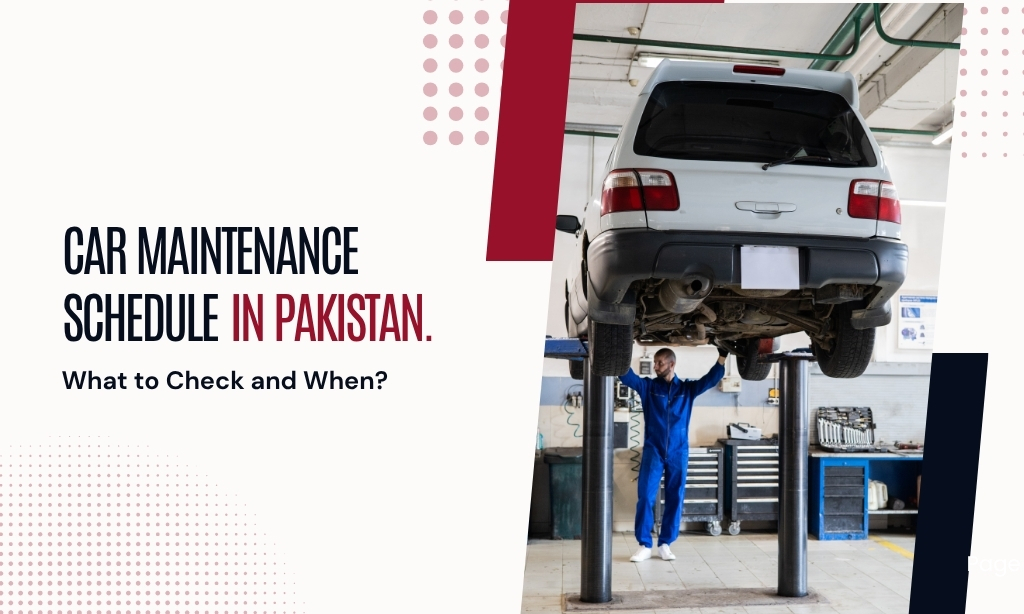
Most cars do not go from perfectly healthy to stranded in one morning. There are usually small warnings first. The steering starts sitting a little off-centre. A tyre wears faster on one edge. The engine takes an extra second to start. The temperature needle moves higher than it used to. Because the car still runs, the warning is easy to postpone.
A practical car maintenance schedule in Pakistan is meant to catch those changes early. It should also stop you from replacing parts simply because a workshop has added them to a standard package. The right job, at the right time, matters more than a long invoice.
Pakistan does make maintenance harder to generalise. A car that spends weekdays crawling through Islamabad traffic has a different life from one covering long motorway distances. Heat, dust, short trips, broken roads and long periods of idling all change how quickly components wear. The owner’s manual still comes first, but the schedule below gives you a sensible way to organise the checks.
| The rule that prevents most confusion
Use time or mileage, whichever comes first. A car can need maintenance even when it has covered very few kilometres because fluids, rubber parts, tyres and batteries continue to age while it is parked. |
Start with the schedule made for your car
There is no honest, one-size-fits-all answer to how often to service a car. A Suzuki Alto, Honda City, Toyota Corolla, turbocharged SUV and hybrid may use different oil specifications, fluid types, filters and replacement periods. Even two cars carrying the same badge can have different requirements because of the engine, transmission or model year.
Check the owner’s manual or manufacturer schedule for:
- Engine oil grade, specification and quantity
- Oil and filter replacement interval
- Coolant type and replacement period
- Transmission-fluid specification
- Brake-fluid type
- Spark-plug interval
- Timing belt or timing chain requirements
- Correct cold tyre pressure
Honda Atlas, for example, uses service checkpoints of 1,000 kilometres or one month, 5,000 kilometres or three months, and 10,000 kilometres or six months, whichever comes first, for its free-service programme. Those checkpoints are not a universal schedule for every car. They are a useful reminder that time counts as well as distance. You can see the manufacturer’s official Honda Pakistan service information.
A quick car maintenance checklist
Use this car maintenance checklist as a set of inspection points. It is not permission to replace every listed item automatically. Condition, symptoms and the vehicle manufacturer’s instructions should decide what work is actually done.
| When to check | What deserves attention |
|---|---|
| Weekly or before a long trip | Visible leaks, engine oil, coolant reservoir, tyres and warning lights |
| Monthly | Cold tyre pressure, spare tyre, lights, wipers, washer fluid and battery terminals |
| Around 5,000 km or 3 months | Manufacturer-specified oil service, filters where due, fluid levels and a general inspection |
| Around 10,000 km or 6 months | Brakes, tyre wear or rotation, steering, suspension, alignment symptoms and underbody |
| 20,000 to 30,000 km | Air and cabin filters, belts, hoses and model-specific ignition items |
| 40,000 to 60,000 km | Transmission fluid, coolant, spark plugs and other items only when specified for the model |
| Yearly | Battery health, AC performance, safety inspection and review of the service record |
| Time-based | Brake fluid, coolant, tyres, rubber parts and other items that age even with low mileage |
Checks worth making every week
You do not need a tool cabinet for a weekly check. Five quiet minutes before the car is started can reveal more than a rushed inspection after a problem develops.
Look underneath before moving the car
A small patch of clear water after running the air conditioner is usually condensation. Oily, coloured or strongly scented liquid deserves attention, especially if the patch returns in the same place.
- Dark brown or black fluid near the engine area
- Green, pink, blue or orange liquid that may be coolant
- Red or brown fluid near the transmission area
- Clear or amber fluid near a wheel
- A noticeable fuel smell
Colour alone does not identify a leak. Dirt and age change the appearance of fluids, so the location, texture and smell matter too.
Check engine oil on level ground
Follow the method in the owner’s manual. Many cars are checked after the engine has been switched off for a few minutes, but some models use a different procedure or an electronic reading.
A low oil level and an oil change are not the same issue. If the level keeps dropping, the engine may be leaking or consuming oil. Repeated top-ups can hide the pattern without solving the cause.
Check the coolant reservoir only when the engine is cold
The level should normally sit between the minimum and maximum marks. A repeated drop can point to a leak from a hose, radiator, water pump, reservoir or another part of the cooling system. Never open a hot radiator cap. Pressurised coolant can cause severe burns.
Give the tyres a slow walk-around
Look for cuts, bulges, nails, low pressure and tread that is disappearing faster on one edge. Uneven wear is not merely a tyre problem. It can be the first visible clue of incorrect pressure, alignment trouble or worn suspension parts.
Checks worth making every month
Measure tyre pressure when the tyres are cold
Do not judge pressure by kicking the tyre or looking at its sidewall. Use a gauge after the car has been parked for several hours, and check the spare as well. The correct figure is normally printed on the driver-side door frame, fuel flap or in the owner’s manual. The number moulded into the tyre is usually a maximum limit, not the normal pressure for the car.
The NHTSA tyre-maintenance guidance recommends checking all tyres at least once a month while they are cold, using the vehicle manufacturer’s pressure. That advice translates well anywhere because pressure affects grip, tyre life and fuel use.
Test the lights, wipers and washer system
Check headlights, brake lights, indicators, reverse lights and number-plate lights. Ask someone to stand outside the car, or use a reflection from a wall. Replace wipers that chatter, leave broad streaks or miss part of the windscreen.
Look at the battery, not just the startup
A battery can start the car normally one day and fail the next. White or green corrosion, loose terminals, a swollen case or slower cranking are reasons to have the battery and charging system tested. Short trips and long parking periods can be as unhelpful as heavy daily use.
Around 5,000 kilometres or three months
For many cars used locally, this is a useful point to review routine car maintenance. It does not mean every engine needs fresh oil at exactly 5,000 kilometres. Some do. Others have longer intervals. The oil specification, engine design, driving pattern and manufacturer schedule decide the answer.
Use the oil the engine asks for
Choosing a thicker oil simply because the weather is hot is not a complete method. Viscosity is only one part of the specification. The oil must also meet the performance standard required by the engine.
Do not choose oil only by vehicle age, price, brand popularity or the product a workshop happens to stock. Oil should be selected for the engine. A professional complete vehicle maintenance inspection should also look beyond oil and include tyres, fluids, filters, brakes, steering, suspension and visible leaks.
Ask what the inspection found
A useful service report is specific. “Belt checked” is less helpful than “no cracks, correct tension, recheck next service.” “Tyres checked” should tell you the pressure, tread condition and any uneven wear. These small notes build a history that makes later decisions easier.
Around 10,000 kilometres or six months
Inspect the brakes as a system
Brake maintenance is more than measuring the front pads. Where accessible, the inspection should include rear brakes, discs or drums, hoses, visible pipes, calipers, parking brake, fluid level, signs of leakage and pedal feel.
Grinding, pulling under braking, a soft pedal, vibration through the pedal or a brake warning light should be checked immediately. The calendar does not matter when a safety symptom has appeared.
Rotate tyres only when the setup allows it
Rotation can even out front-to-rear wear, but the correct pattern depends on tyre direction, size and vehicle layout. Some cars use different sizes at the front and rear and cannot follow a normal rotation pattern. Inspect first. Rotation should not be used to disguise an alignment or suspension problem.
Check alignment when the car gives you a reason
A fixed alignment interval is less useful than watching how the car behaves. Have it measured when the steering pulls, the wheel no longer sits straight, the tyres wear unevenly, suspension work has been completed or the car has hit a large pothole or kerb.
A proper computerized wheel alignment and balancing service should start with tyre and suspension checks. Adjusting angles cannot repair a loose ball joint, worn bush or damaged tyre.
Listen to the suspension before the noise becomes normal
Clunks over bumps, repeated bouncing, steering play, a new vibration or a change in ride height deserve inspection. A suspension and steering check can separate a worn shock absorber from a bush, mount, tie rod or another component. Guessing by sound alone is unreliable.
The bigger items: filters, fluids, plugs and belts
Once the mileage climbs, generic schedules become less reliable. The range below is only a prompt to open the owner’s manual and inspect the right items. Toyota Pakistan’s official periodic-maintenance section, for example, separates filters, spark plugs, brake pads, engine oil, coolant, brake fluid and transmission fluid because they do different jobs and do not share one replacement interval.
Engine and cabin air filters
Dust can shorten filter life. An engine filter packed with dirt can restrict airflow, while a blocked cabin filter can reduce AC airflow, worsen demisting and leave more dust inside the car. Inspect them; do not replace every filter only because it has darkened. Some filter material changes colour during normal use.
Spark plugs
Traditional plugs and long-life iridium plugs can have very different service lives. Use the correct plug number, heat range and gap. A misfire or difficult start is a reason for diagnosis, not proof that the plugs are responsible.
Transmission fluid
A conventional automatic, CVT, dual-clutch transmission and manual gearbox do not use one interchangeable fluid. The wrong product can change shift behaviour and damage internal parts. Confirm the exact specification before any fluid is added.
Also ask what procedure is proposed. A drain-and-fill, pan removal, filter replacement and machine exchange are different jobs. The correct choice depends on the transmission design, condition and manufacturer instructions.
Coolant
Coolant controls temperature and protects metal parts from corrosion. Colour is not a technical specification. Two incompatible coolants can look similar, and compatible products may be different colours. Use the specified type and investigate repeated loss rather than continuing to add water.
Brake fluid
Brake fluid is affected by time as well as mileage. Follow the vehicle schedule and required DOT specification. If the level is low, do not assume it only needs topping up. Worn pads or a leak may be involved.
Belts and hoses
Look for cracking, glazing, frayed edges, swelling, hardened rubber and dampness around connections. A belt can look intact from above while damage is developing on the ribbed side, so a proper inspection may need better access.
How driving in Pakistan changes the schedule
The best car maintenance tips for Pakistan start with how the car is used, not with a single national interval.
Dust and construction
Cars used around unpaved streets, construction zones or dusty open roads need more frequent filter inspections. Dust also makes small oil or coolant leaks harder to spot because grime builds around the wet area.
Traffic and long idling
The odometer barely moves in congestion, but the engine, cooling fans and AC continue working. Brakes and clutch components may also see more use than they would on a steady motorway journey. Mileage can therefore understate how hard a city car has worked.
Summer heat
Before the hottest months, check coolant level, radiator condition, hoses, cooling fans, battery health, AC airflow and tyre pressure. Heat does not automatically justify a different oil grade; use the manufacturer-approved specification.
Potholes and broken road surfaces
After a hard impact, watch for a steering wheel that sits differently, a new vibration, pulling, tyre bulges or knocking from the suspension. Damage is not always visible from outside the wheel.
Floodwater and heavy rain
Do not enter water when the depth or road surface is uncertain. If an engine stops in deep water, repeated attempts to restart it can make the damage worse. Arrange recovery and have the intake, fluids, electrical connections, brakes and wheel bearings checked where necessary.
Do not buy maintenance from a menu
A printed package can be convenient, but it should never replace diagnosis. Several commonly offered jobs are useful in the right situation and unnecessary in another.
Engine flush
An engine flush is not required at every oil change. In an engine with heavy sludge, strong cleaners can loosen deposits quickly and create new problems. The engine’s history and internal condition matter.
Injector or throttle-body cleaning
Rough running and poor fuel economy have many possible causes. Cleaning should follow evidence of contamination or diagnosis, not a round number on the odometer. Some cars also need an idle or throttle relearn after the work.
Oil and fuel additives
A suitable engine oil already contains a balanced additive package. Extra products may be unnecessary or unsuitable. Ask what problem the additive is meant to solve and whether the vehicle manufacturer allows it.
Warning signs that should not wait
Ignore the car service schedule and arrange an inspection promptly if you notice any of the following:
- Oil-pressure or temperature warning
- Engine overheating
- Soft, sinking or unusually hard brake pedal
- Grinding brakes
- Strong fuel smell
- Smoke from the engine bay
- Sudden steering difficulty
- A tyre bulge or rapid pressure loss
- Severe vibration
- A flashing check-engine light
- Rapid coolant, oil or brake-fluid loss
- Burning smell or a new metallic knocking sound
If the car is overheating, leaking, making a serious mechanical noise or showing a safety warning, arrange a mechanical inspection and repair rather than driving until the next planned service.
What you can check at home, and what belongs in a workshop
Most drivers can safely check tyre pressure, tyre condition, engine-oil level, a cold coolant reservoir, washer fluid, lights, wipers, warning lamps and visible leaks.
Work involving a lifted vehicle, hot cooling system, brake hydraulics, fuel lines, electrical diagnosis or model-specific transmission procedures needs the right tools and experience. Car4Tune’s car repair and maintenance services cover the jobs that cannot be confirmed through a driveway inspection.
Keep a record that is useful later
A receipt with “full service” written on it tells the next mechanic very little. Record the date, mileage, exact work, fluid specification, part numbers where useful and the next inspection point.
| Date | Mileage | Work completed | Parts / fluids | Next check
|
|---|
Writing “CVT fluid changed” is better than “gear oil,” but the exact fluid specification and quantity are more useful still. That detail can prevent the wrong product being added at a later service.
Frequently asked questions
How often should a car be serviced in Pakistan?
Follow the model-specific time or mileage limit, whichever comes first. A 5,000-kilometre or three-month checkpoint is common for some locally sold vehicles, but it is not a universal oil-change rule.
Should I follow time or mileage?
Use whichever limit arrives first. Low-mileage cars still have ageing oil, brake fluid, coolant, tyres, batteries, seals and rubber parts.
Does every car need an oil change at 5,000 kilometres?
No. Check the exact engine, oil specification and manufacturer interval. Driving conditions can justify closer inspection, but they do not give every workshop permission to invent an interval
How often should tyre pressure be checked?
At least monthly and before a long trip. Take the reading while the tyres are cold, and use the pressure listed by the vehicle manufacturer.
How often should wheel alignment be done?
There is no useful fixed interval for every car. Check it when the vehicle pulls, the steering wheel is off-centre, tyres wear unevenly, suspension parts have been replaced or the car has taken a hard road impact.
Can I use water instead of coolant?
Plain water does not provide the same corrosion protection or boiling margin as the correct coolant mixture. In an emergency, preventing the engine from running dry may be the immediate concern, but the leak must be found and the correct coolant restored. Never open a hot cooling system
Does a modern car need regular tuning?
Modern fuel-injected cars do not need old-style carburettor tuning. They still need scheduled inspection and diagnosis, but plugs, injectors and throttle bodies should not be cleaned or replaced automatically without a reason.
What should I check before a motorway trip?
Check tyre pressure and condition, the spare, engine oil, coolant, brakes, lights, wipers, battery, warning lamps, jack and wheel tools. Deal with overheating, braking, tyre or warning-light problems before leaving.
A schedule should reduce guesswork, not create more of it
The purpose of car service intervals is to make ownership predictable. They are not a reason to replace healthy parts, and they are not a reason to ignore a symptom until the odometer reaches a certain number.
Use the owner’s manual, keep a clear record and pay attention when the car feels different. A sensible car maintenance schedule in Pakistan should help you spend money earlier on small, necessary work and less often on avoidable repairs.
| Not sure what the car needs next?
Car4Tune can inspect the vehicle against its model, mileage, history and present condition. The aim is to separate urgent work from preventive maintenance and the items that can safely wait. |
Contact Car4Tune to arrange an inspection or discuss the next service. The workshop is in Block E, Police Foundation, Islamabad, near the Attock Petrol Pump.